Republic of Tatarstan
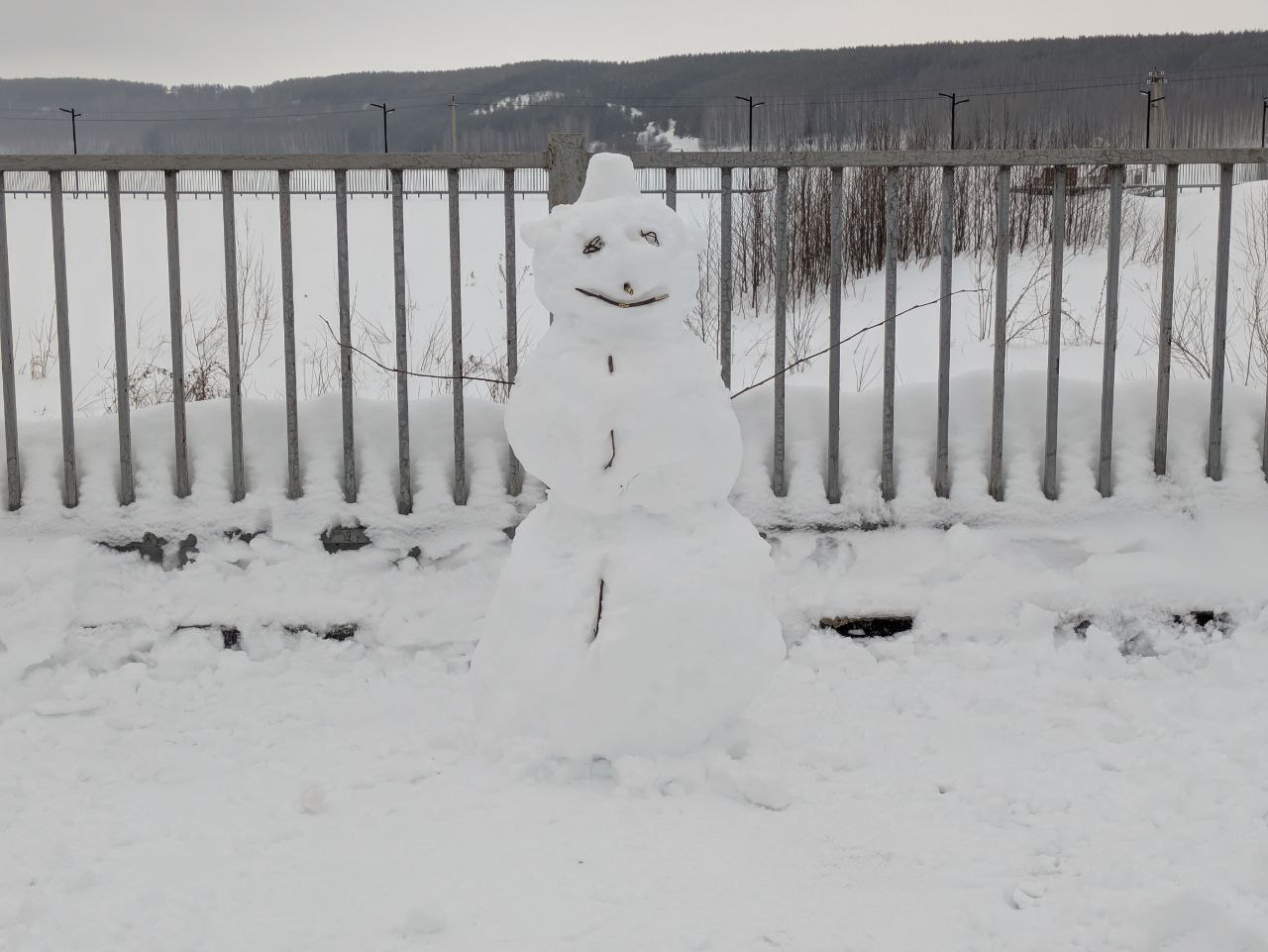
I noticed some really pleasant feelings while I was out for a walk, breathing in the fresh spring air. The smell was incredible — hard to describe, kind of like fresh-baked bread or maybe a cinnamon bun. That scent seemed to fill the whole street and left only good thoughts in my head. The weather was fairly warm, around +1°C, so everything was starting to melt. The sky was cloudy, and every now and then something fell from above — maybe rain, maybe a mix of snow. Luckily, it wasn’t heavy and didn’t bother me too much. Just a few drops hit my face and even made my jacket a little damp, but I could keep walking and enjoy the first spring day.
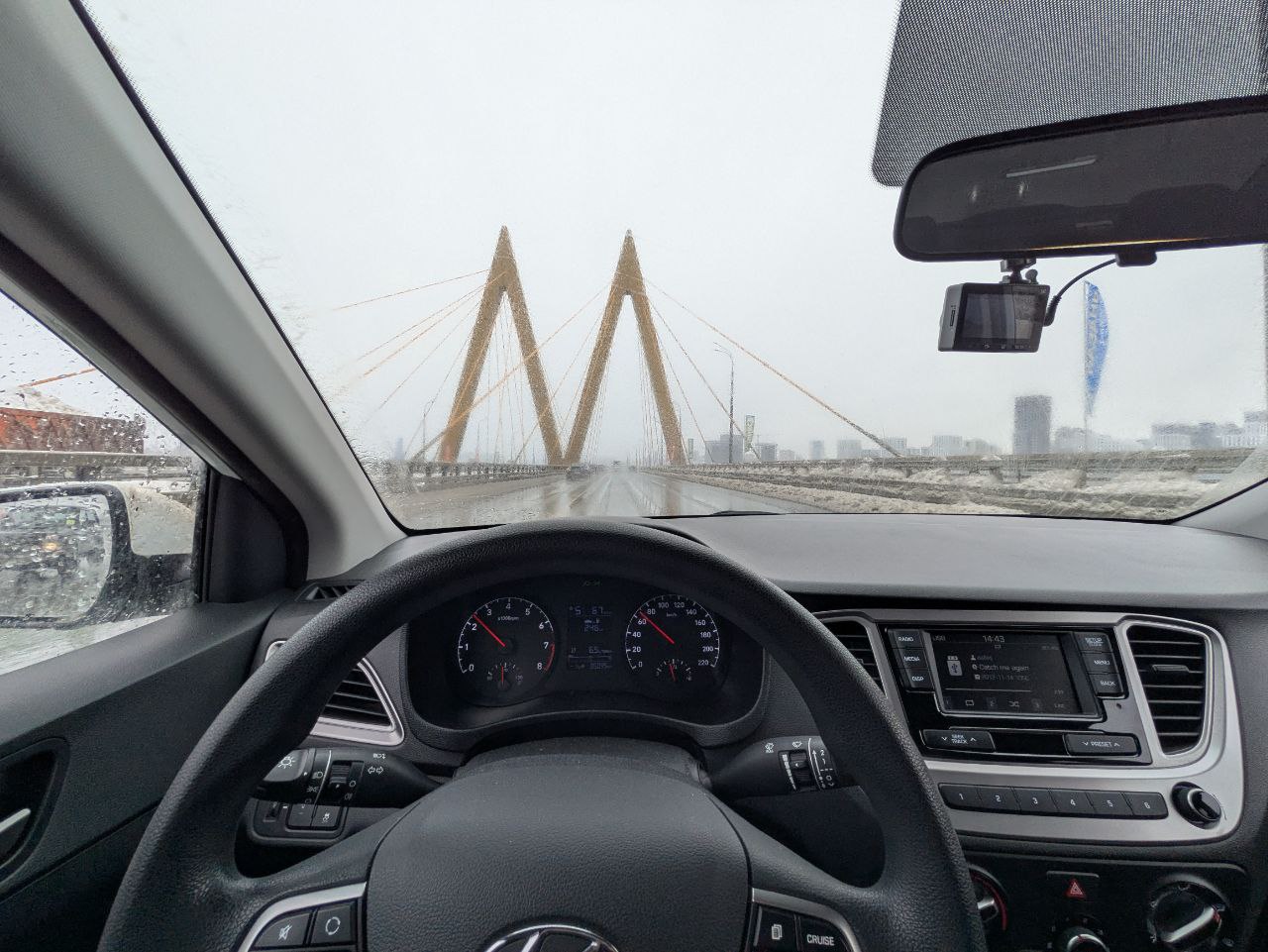
I didn’t manage to finish all my promises from yesterday’s post, but I did get all my main tasks done. I went to my bank, extended my debit cards, and got some certificates about my account. Then I visited my barber for a short haircut—it cost 700 rubles, about $9, and included a head wash. That was my main goal, and I got it done easily, no problems.
I didn’t have time to walk around or visit my favorite places. The weather wasn’t great—snow had melted, it was around 0 or maybe +1, and everything was full of puddles. So instead, I stayed warm and dry in my car while driving around.
This Friday felt like an ordinary workday on the surface, yet there was something different about it — something calm and almost peaceful. I followed my usual routine, but I felt unusually comfortable throughout the day. No one rushed me, no one interrupted me, and I was able to work at my own pace. It was genuinely pleasant to focus on my tasks without pressure and simply enjoy the process.
When I woke up for suhoor, something strange happened with my laptop. I turned it on and immediately noticed problems with my browser, Firefox. At first, I thought restarting it would fix everything, but unfortunately, it didn’t help. During suhoor, I found myself trying to figure out why my pinned tabs had disappeared and how I could recover them.
To be honest, I really didn’t want to deal with it at that moment. I didn’t have much time and just wanted to spend suhoor peacefully. But Murphy’s Law struck again — of course, something had to go wrong. I almost ran out of time and ended up wasting it on something I couldn’t even fix. Later during the day, I managed to recover some of the tabs manually.
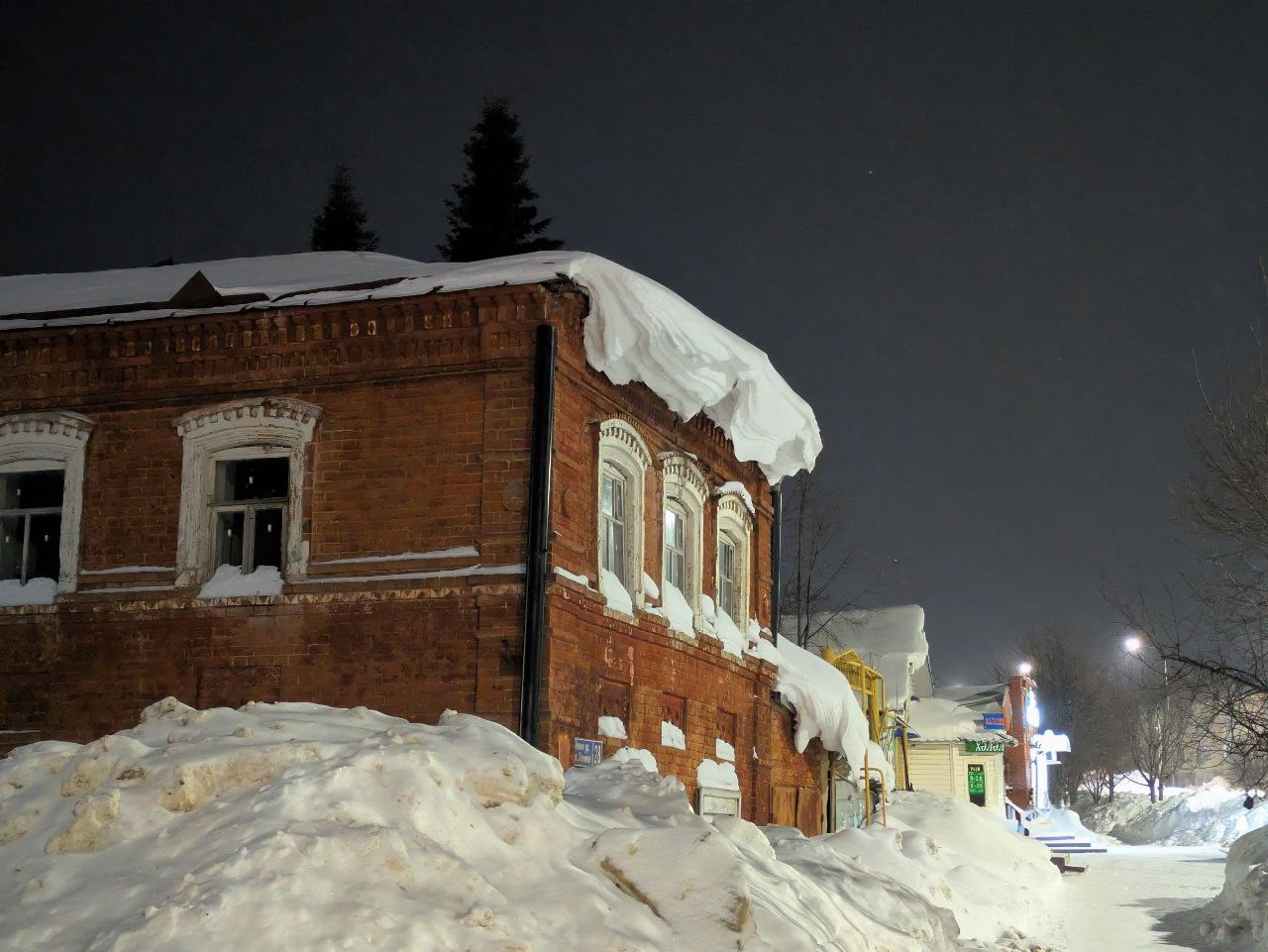
Yesterday, I went to bed around midnight. I only wanted to take a short rest, but unfortunately, I ended up sleeping until 2 a.m. The first time I woke up was around 1 a.m. when I accidentally dropped my phone. I thought I would sleep for just ten more minutes, but those ten minutes turned into a full extra hour. As a result, I missed my speaking practice and other daily routines.
Today, I need to practice even more than usual because I don’t want to lose the progress I’ve made over the past month. In fact, I’ve been practicing speaking every single day since January — even since late December — for at least thirty minutes. Now I want to maintain this strong habit and see what kind of results I can achieve after a full year. It’s my personal experiment.
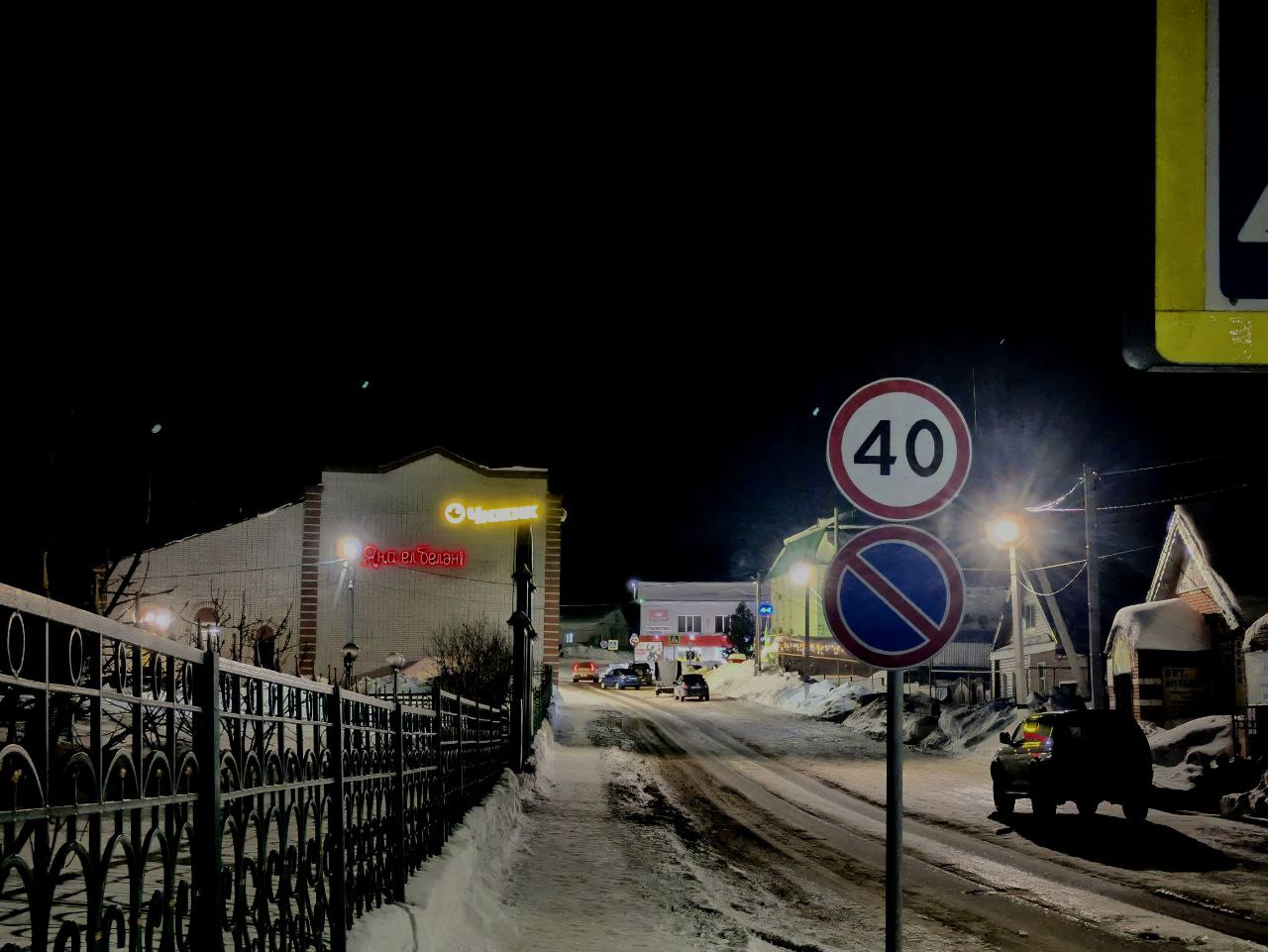
Today marks the sixth day of Ramadan. My day was calm and free of worries, even though the weather wasn’t particularly pleasant. The sky was covered with clouds for most of the day, although from time to time the sun managed to break through and shine brightly. Unfortunately, it never lasted long, as the clouds would quickly gather again and hide it from view.
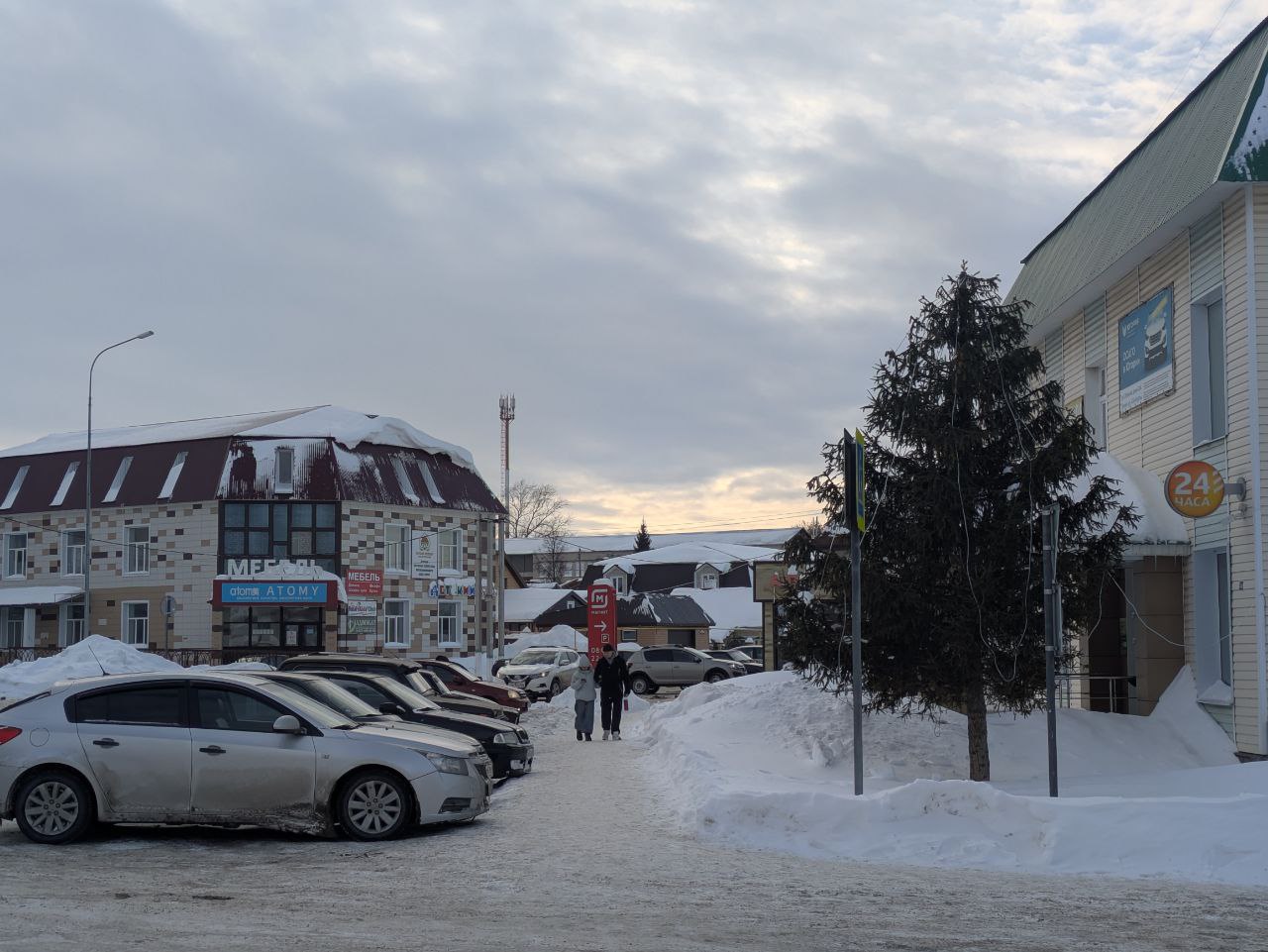
Today is the fifth day of Ramadan. It’s Monday, February 23, and it’s an extra day off in my country, so I decided to spend most of the day resting. I woke up at 4 a.m. for suhoor and started my fast. After suhoor, I couldn’t go back to sleep, so I spent about two hours working on my laptop and managed to finish a few tasks. By the time I finally went to bed, it was already 6 a.m., and it was starting to get light outside. Honestly, it felt unusual because I never go to bed when it’s already bright. I woke up again at 10 a.m. and took my time with my morning routine.
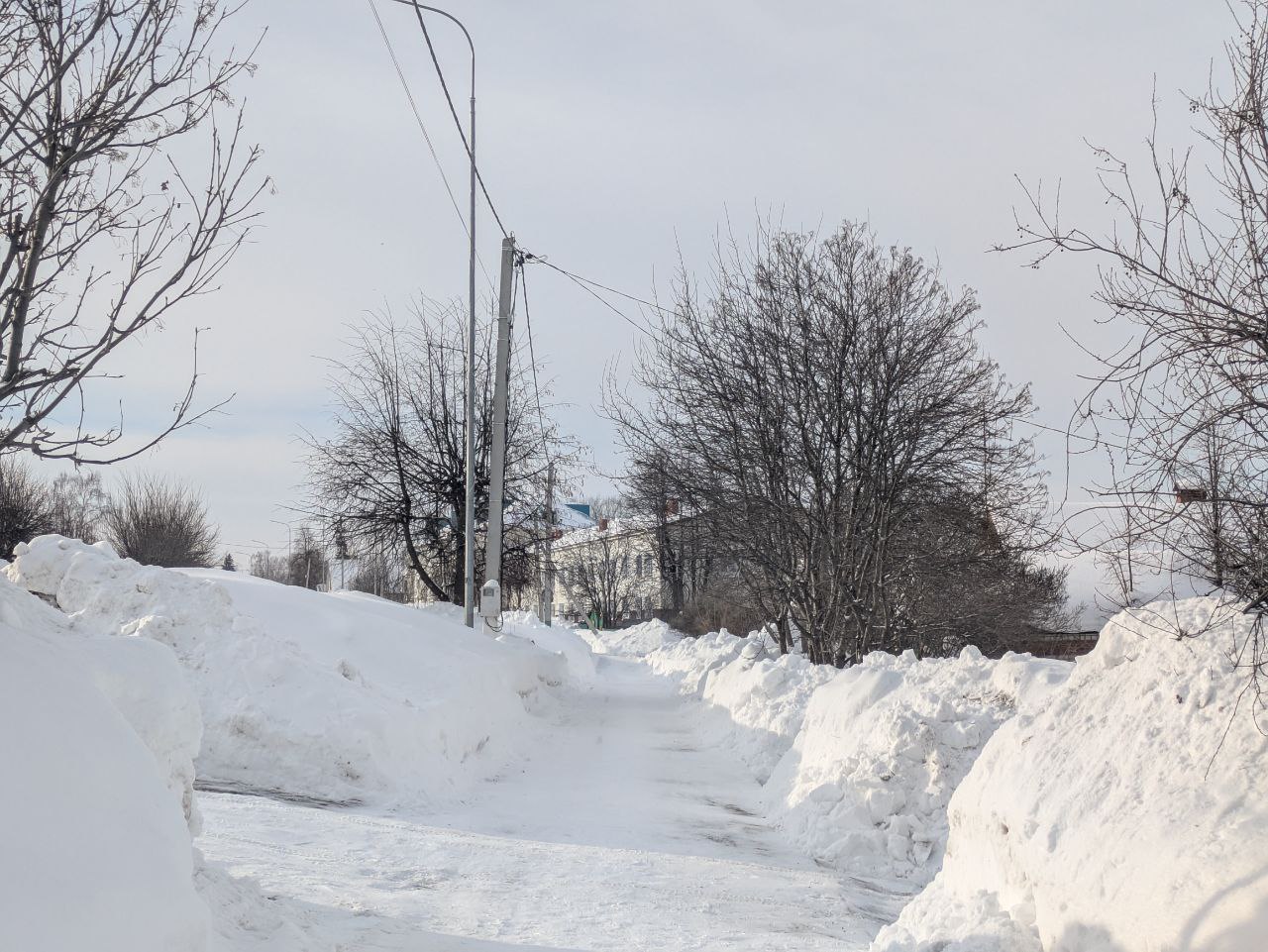
I stayed indoors for the majority of the day, and only went out for a short walk of about 30 minutes. The walk wasn’t very productive—I couldn’t visit all my usual spots. The wind was bitterly cold, and the sidewalks hadn’t been properly cleared. I didn’t want to trudge through the snow, and as usual, the wind froze my face. These conditions made walking around the city a challenge, so I stuck to the city center and returned home quickly. My usual park has been covered in snow since late January, and no one seems willing to clear it. Now, I can only reach it by car or by walking along the main road—which I prefer to avoid. I’ll just wait for spring.

I decided to create this fasting timetable so that I always have it at hand and can easily check the times. It might also be interesting to my readers, but most importantly, it is useful for me. I obtained this information from a brochure published by our local mosque. I noticed that the brochure uses Kazan time. Honestly, I am not sure why they use Kazan time instead of my city’s local time. My city is not far from Kazan — it is about an hour and a half away — so the time difference should not be significant. Perhaps it is simply for convenience, similar to how Kazan follows Moscow time.
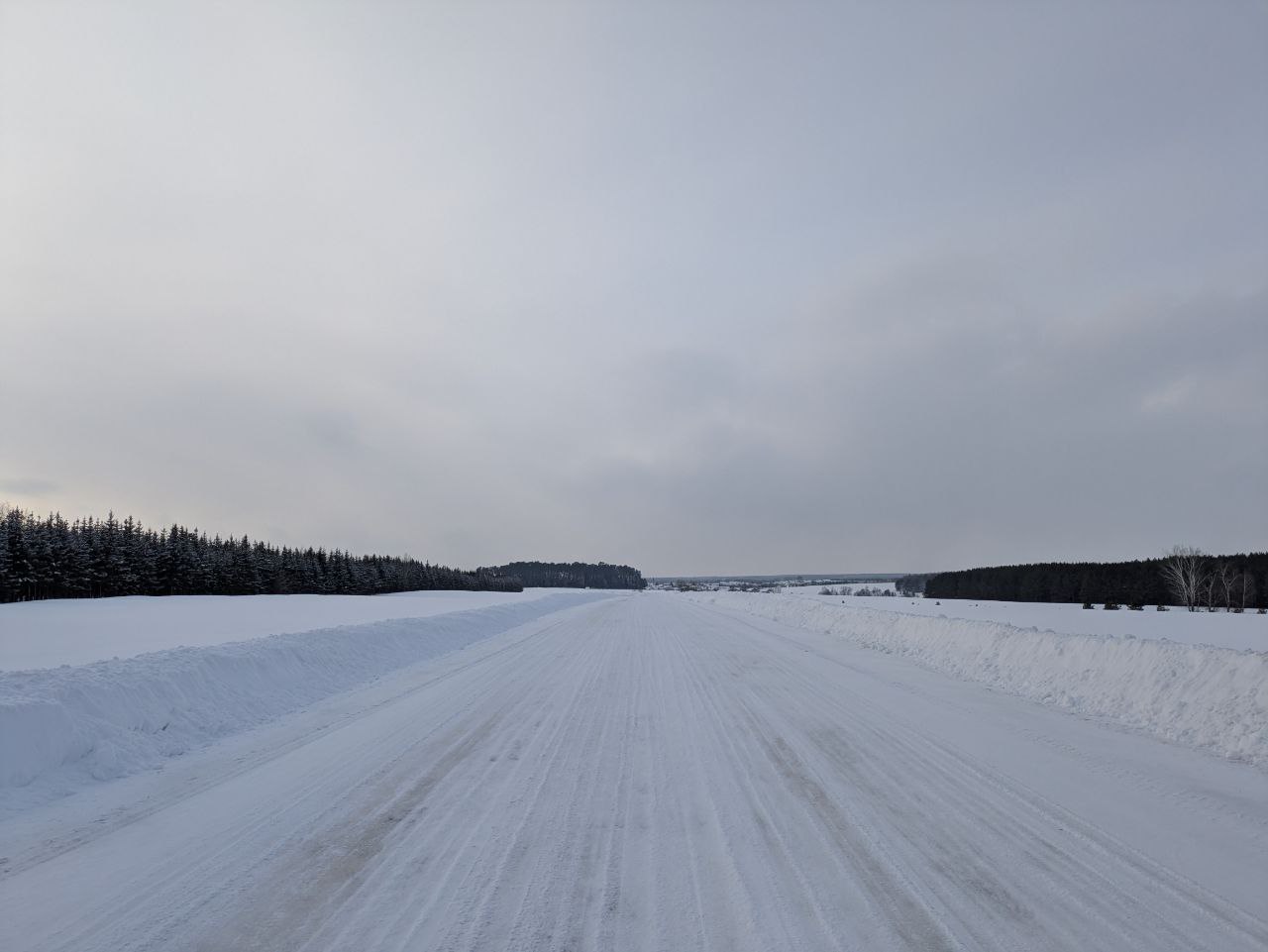
Finally, I went on a trip to the village, visited my relatives, and used the bathhouse. If I remember correctly, the last time I visited them was during the New Year holidays. It was approximately two months ago, and at that time there wasn’t much snow. So today, when I arrived for the first time in a long time, I was a bit surprised because the streets were covered with snow. It was impossible for two cars to pass each other.
However, the main road before the village had been cleared well enough, although it was still snowy and a bit icy. I don’t know if it’s good or bad, but I liked that road. It felt comfortably soft and quiet, and the car just glided along without any noise.
I woke up earlier than usual, around 4:10 a.m., before the fast began. However, it didn’t feel very comfortable because I had to rush through my routine. Fortunately, it was easier than the first day. I realized that if I want to manage everything without rushing, I should wake up no later than 4 a.m.
I also need to keep in mind the main rule of Ramadan: each day the fasting time begins slightly earlier than the previous day. For example, if today’s fasting time is 4:48 a.m., tomorrow it will be 4:46 a.m. The same applies to the time when the fast ends. If today it ends at 4:59 p.m., tomorrow it will be 5:01 p.m. This is because the fasting schedule depends on sunrise and sunset, and those times change a little every day.
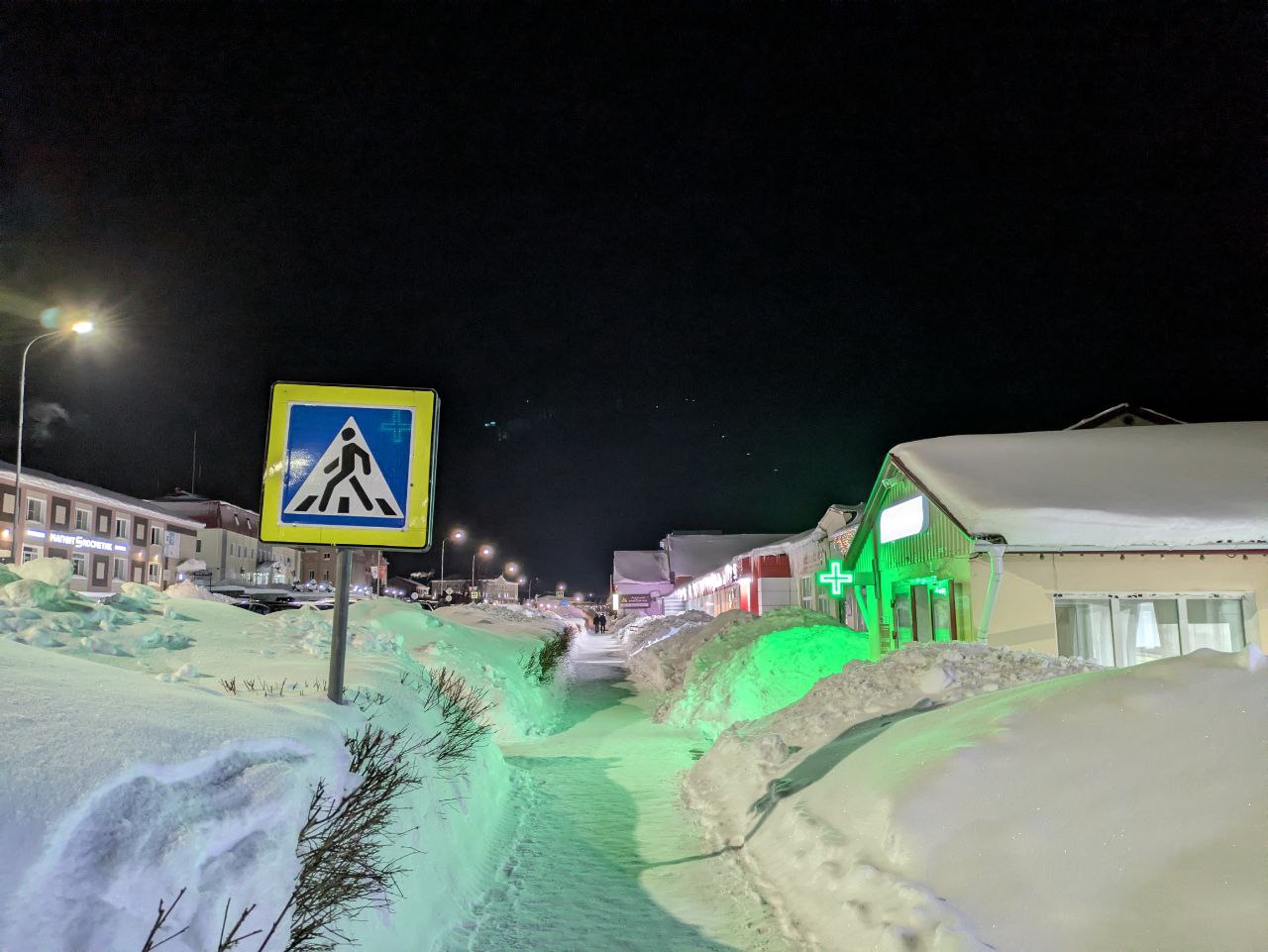
As usual, after finishing work, I took a walk through the quiet streets of the city center. It felt particularly refreshing since I had spent the entire day at home, sitting at my desk with almost no physical movement. Thankfully, the weather was mild and quite pleasant, which made the walk even more enjoyable.
Today marks the beginning of the sacred month of Ramadan for Muslims. During this month, every healthy adult Muslim is required to fast from dawn until sunset. However, those who suffer from health conditions or are traveling long distances are permitted to postpone their fast and make it up later.
Many people assume that fasting is simply about abstaining from food and drink. However, this understanding is incomplete. Ramadan is not only about physical discipline — it is also about spiritual purification and self-control. Muslims are expected to guard their thoughts, control their emotions, maintain good behavior, and avoid physical intimacy during fasting hours. Therefore, fasting represents not merely physical restriction, but a deeper commitment to moral and spiritual growth.