Our traditions
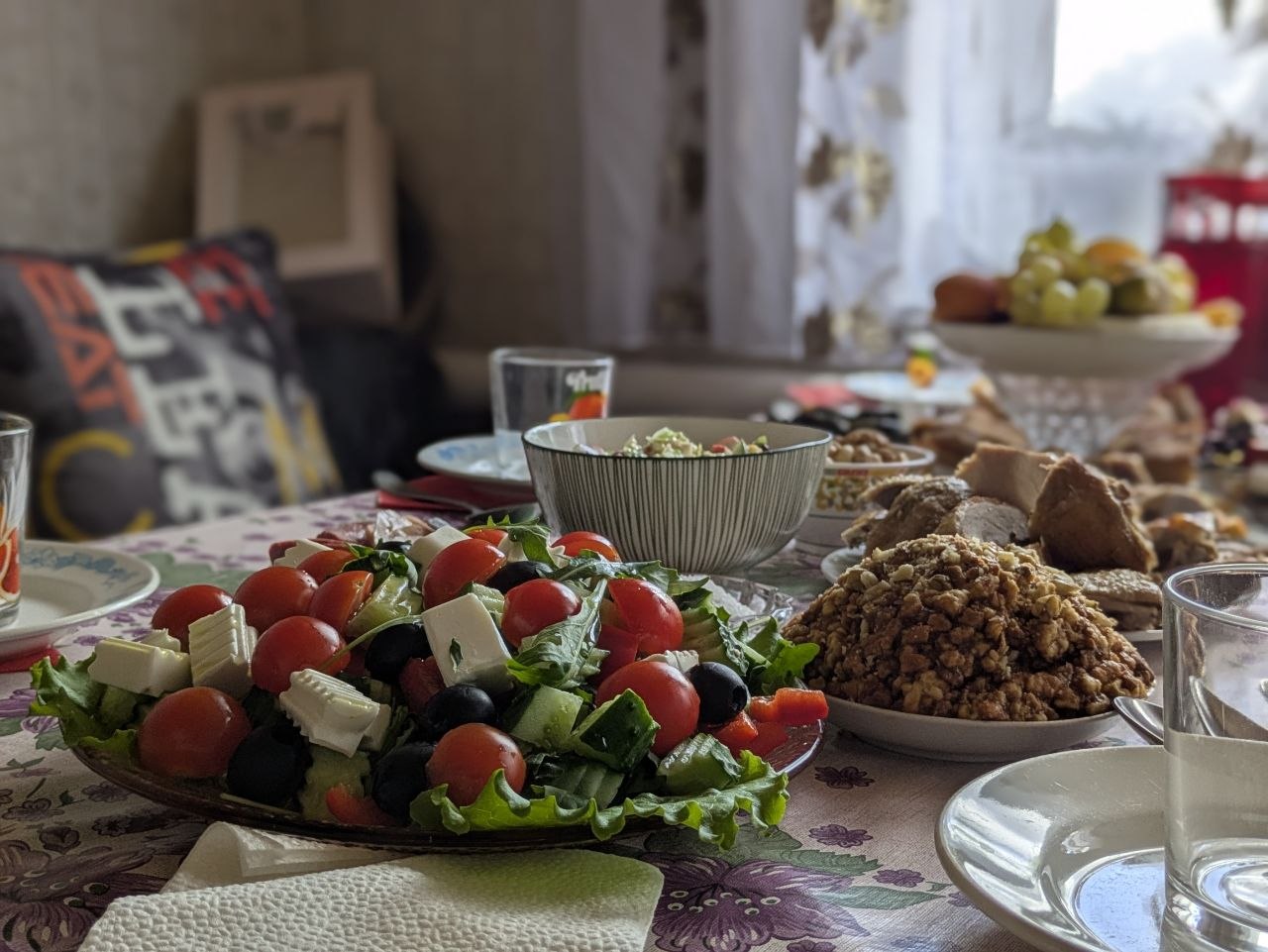
In yesterday's post, I already mentioned that I'd be taking another trip to the village. So after my morning routine, I immediately went there around 11 AM and arrived before the guests had arrived. Even if the guests had already arrived, it wouldn't have made much difference to me. I still didn't sit at the table with the other guests, as the seats were limited and everything was crowded. As a result, I was starving until 3:30 PM and just spent my time in a small, hot room, which didn't make my time there very comfortable.
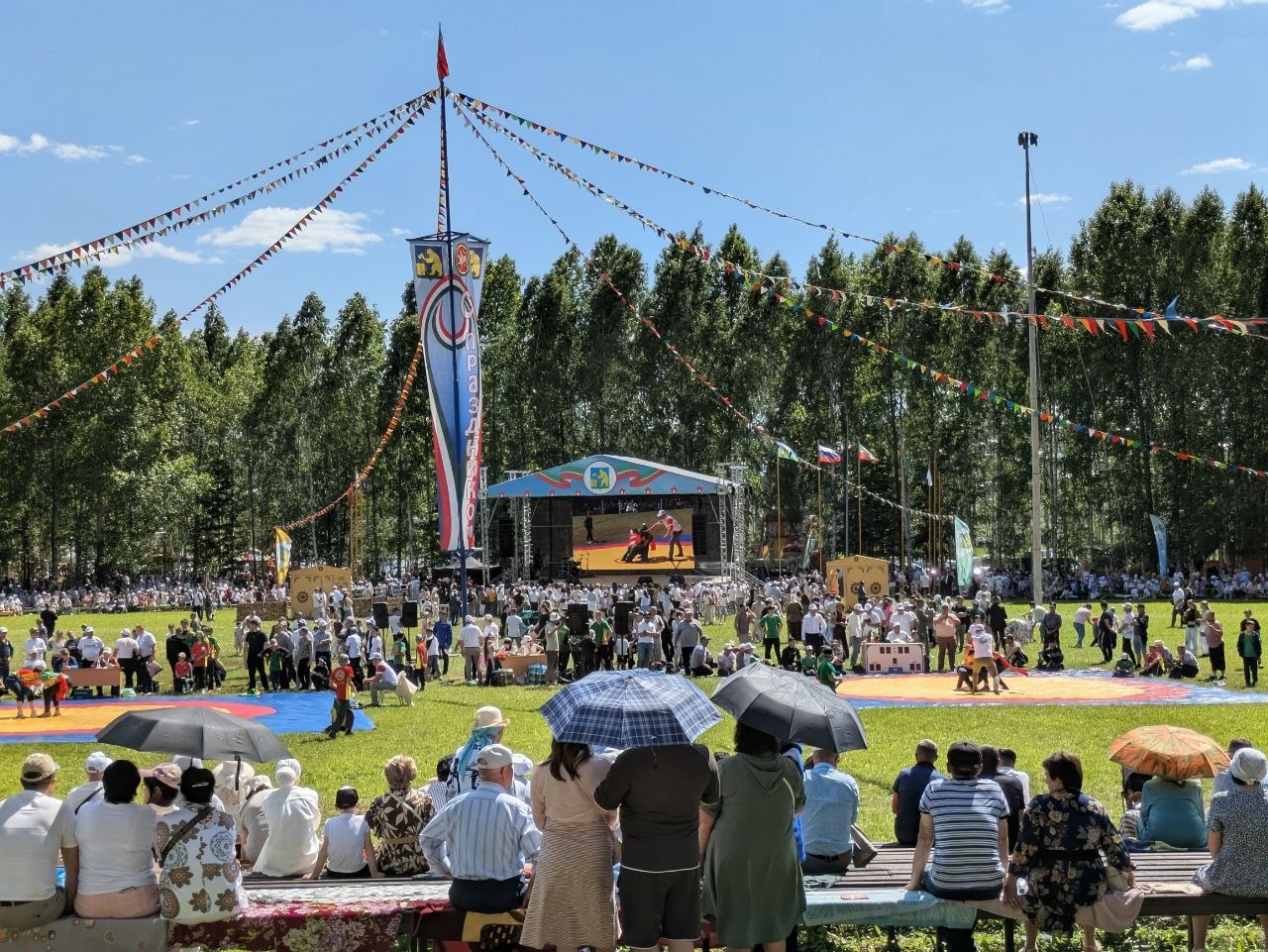
About my experience with the Sabantuy celebration, I can't say anything special or something interesting. It was just a sunny and warm day, which I hadn't noticed in the last few days. However, today's weather provided a good opportunity to celebrate this traditional holiday in comfortable conditions. So many people gathered outdoors, enjoying the festive atmosphere with traditional and modern music and games. For me, it was a chance to spend some time outside and enjoy the warm weather.
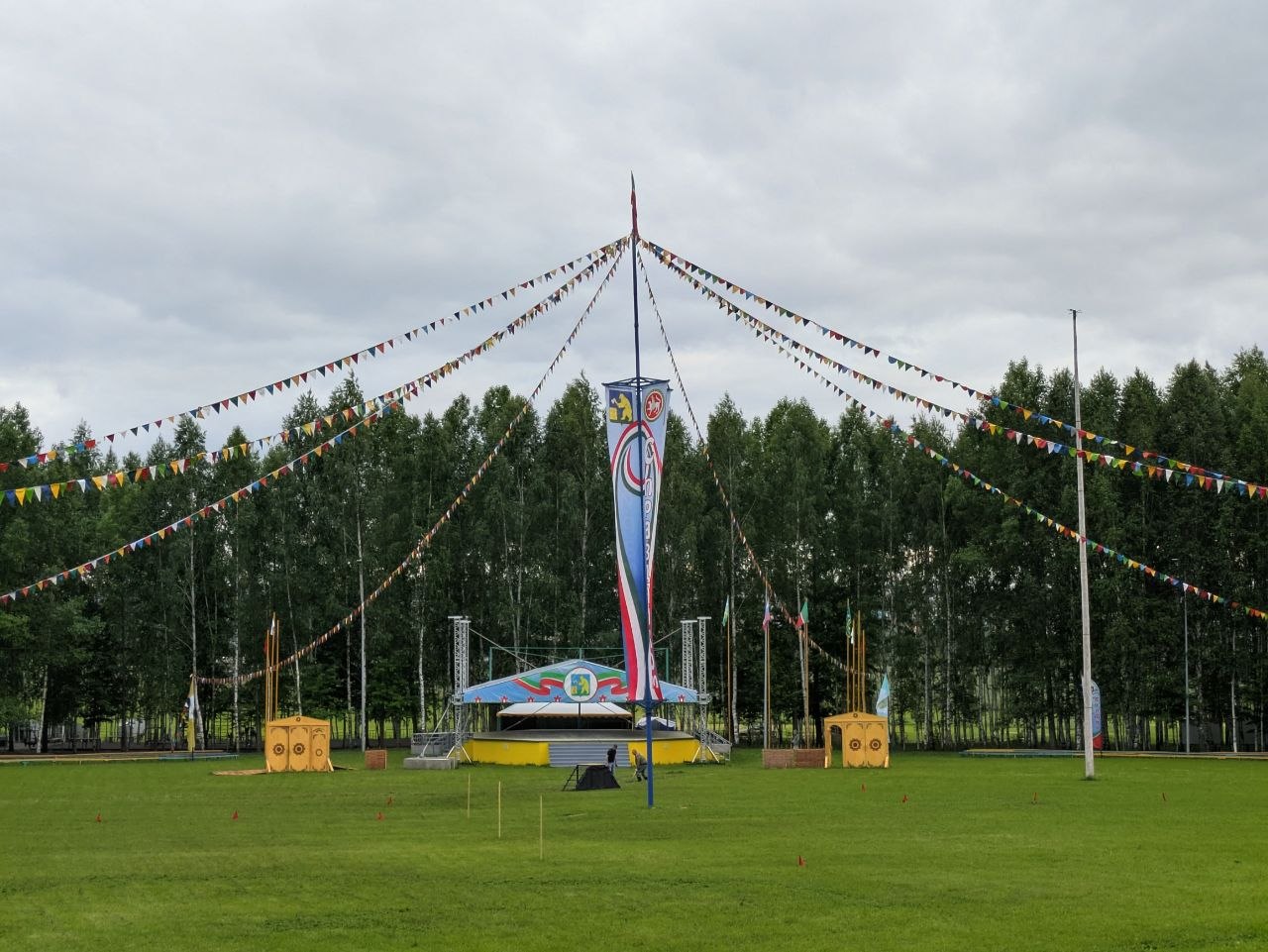
The whole day I spent at my relatives' home and did nothing special. I just talked with them about random topics and joked with my cousins, nephews, and sisters for no particular reason. But it was much more fun to spend my time there than stay at home behind a laptop. Of course, it wasn't a spontaneous visit; I had been invited a few days earlier to celebrate our national holiday, "Sabantuy."
Usually, Tatars celebrate it after successfully finishing the sowing season. In recent years, it has taken place during the first week of June, and during the celebration, everyone can either participate in or watch interesting contests for both kids and adults. Also, the main competition is Tatar-style wrestling, "Köräş," which continues throughout the event.
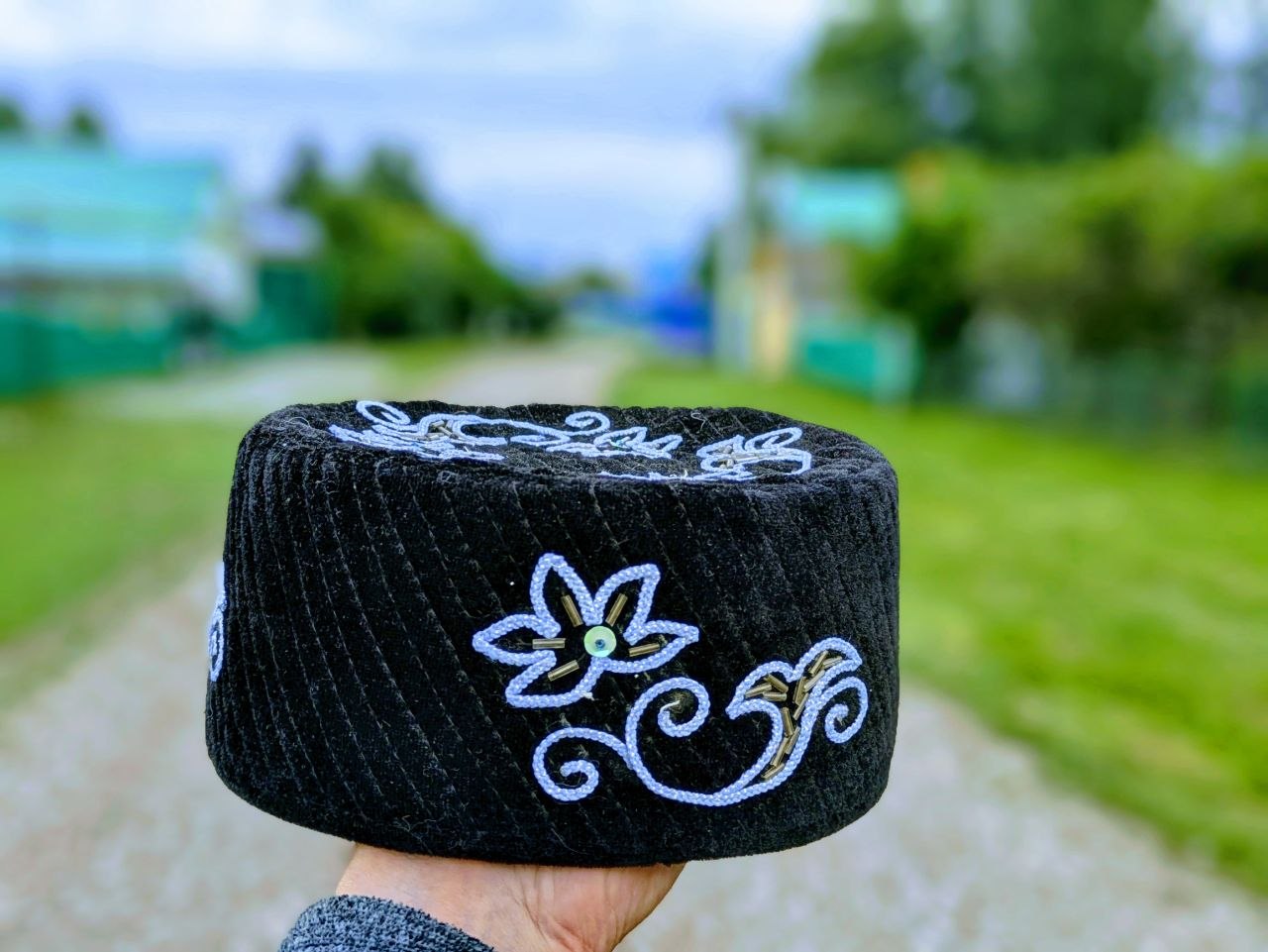
In the early morning, at 2:30 AM, I went to the mosque across the quiet village streets with my relatives and neighbors. However, this visit to the mosque was quite different from my previous one from this post. Because this time, we didn’t walk randomly; instead, all the people from our street gathered at the very beginning of the village and walked together all the way to the mosque. But we didn’t just walk — from time to time, we randomly stopped for about 2–3 minutes and said “Takbir.” It continued for approximately fifteen minutes until we reached the mosque. When we arrived, other villagers from different streets were already waiting for us so everyone could say the final “Takbir” together before entering the mosque.

In my previous post, I mentioned that I had arrived in my grandparents’ village and shared a bit about my visa journey. But today, I had a different plan: to spend time with my relatives throughout the night and visit the mosque in the morning. Since this Friday, Muslims around the world were celebrating Eid al-Adha — a deeply meaningful holiday that comes after the sacred period of Ramadan — I didn’t want to stay on the sidelines and decided to fully take part as well.
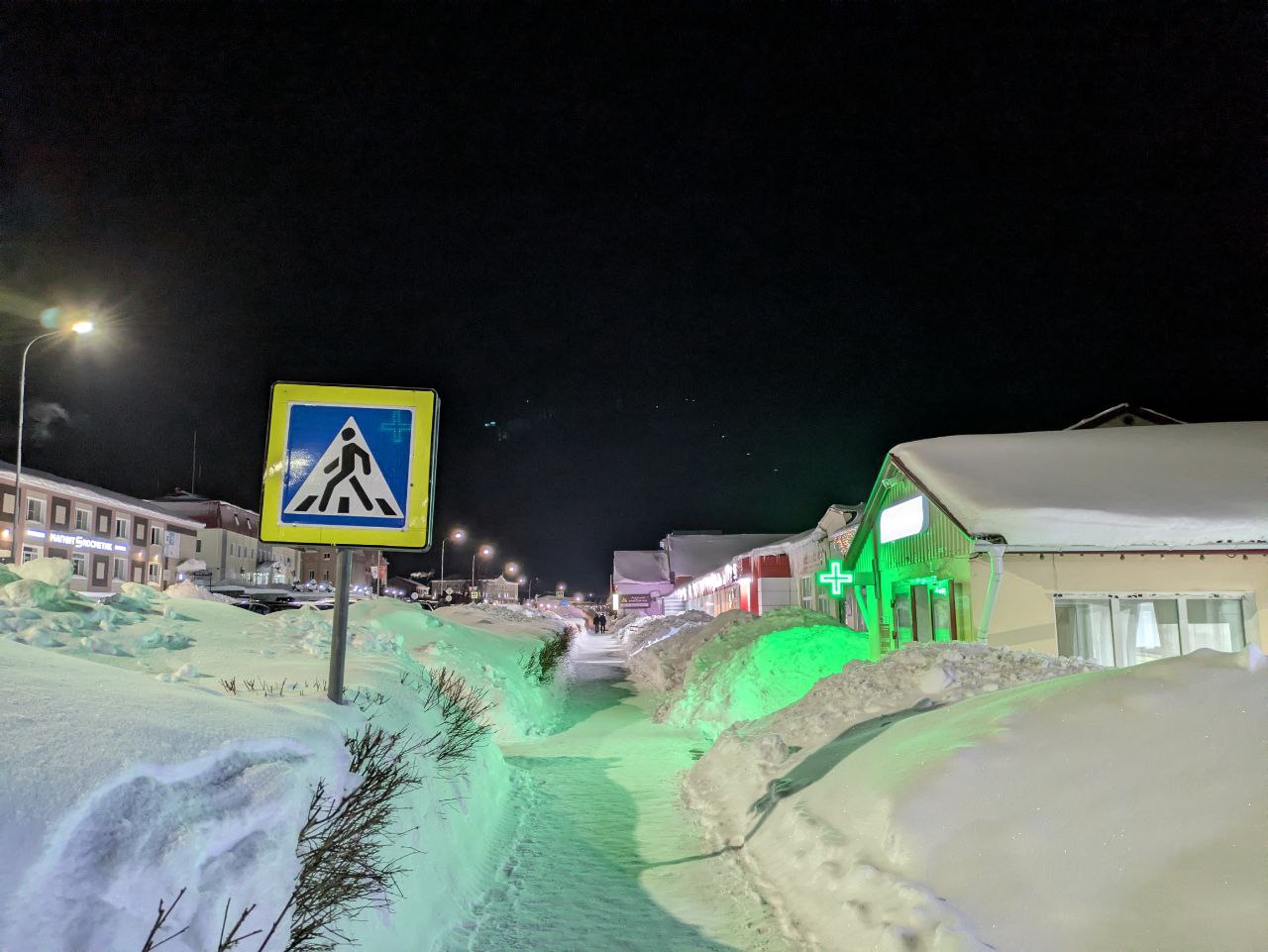
As usual, after finishing work, I took a walk through the quiet streets of the city center. It felt particularly refreshing since I had spent the entire day at home, sitting at my desk with almost no physical movement. Thankfully, the weather was mild and quite pleasant, which made the walk even more enjoyable.
Today marks the beginning of the sacred month of Ramadan for Muslims. During this month, every healthy adult Muslim is required to fast from dawn until sunset. However, those who suffer from health conditions or are traveling long distances are permitted to postpone their fast and make it up later.
Many people assume that fasting is simply about abstaining from food and drink. However, this understanding is incomplete. Ramadan is not only about physical discipline — it is also about spiritual purification and self-control. Muslims are expected to guard their thoughts, control their emotions, maintain good behavior, and avoid physical intimacy during fasting hours. Therefore, fasting represents not merely physical restriction, but a deeper commitment to moral and spiritual growth.
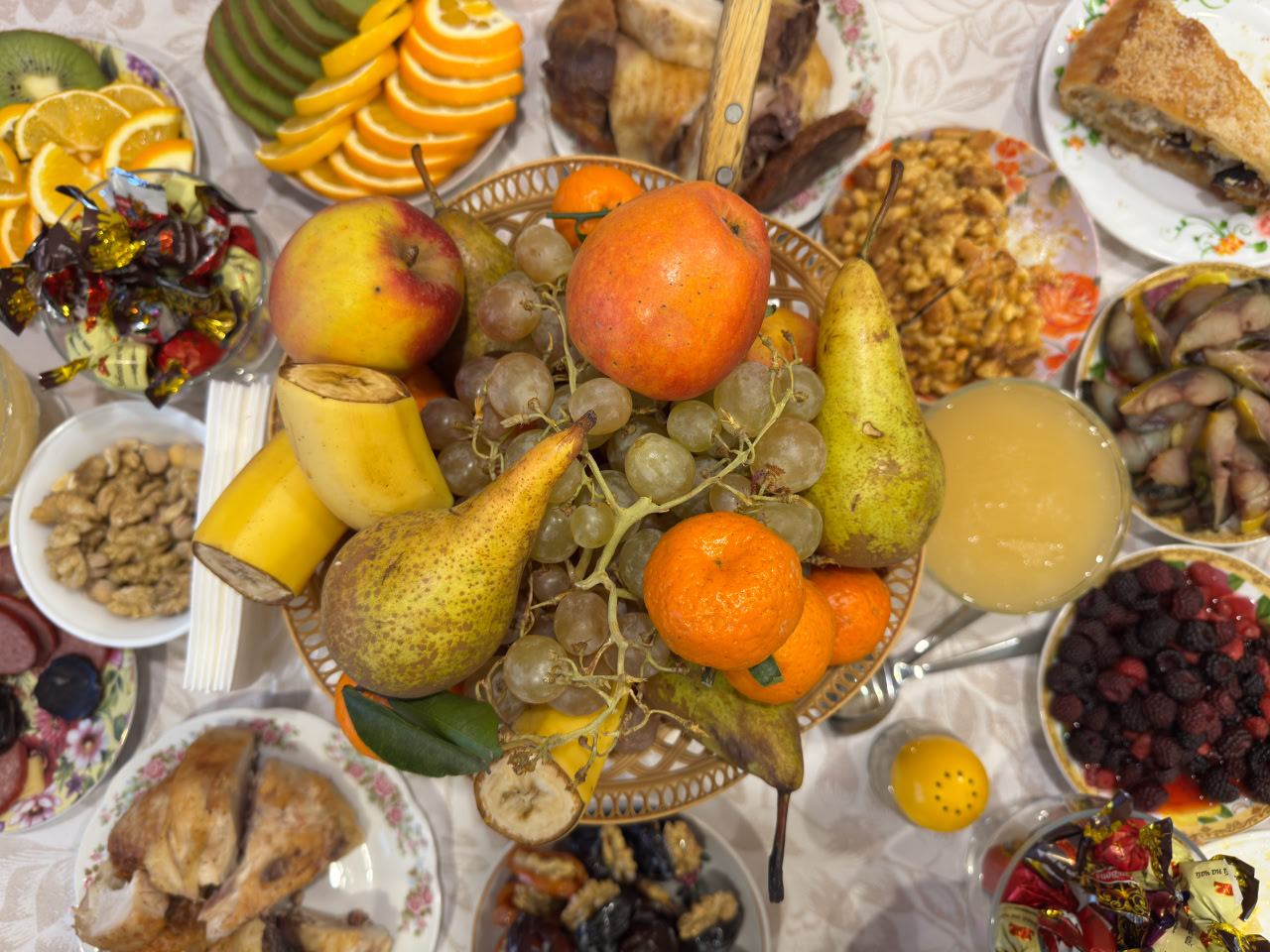
Today, after I woke up, I quickly got ready and went to my aunt’s home. I arrived at around 10 a.m. Fortunately, she lives quite close to me, so it didn’t take long to get there. I just walked through the streets and arrived on time. When I arrived, everyone was already there and was discussing random topics with each other. I was the last guest because my family had come early in the morning. They helped prepare the table and finished other preparations.
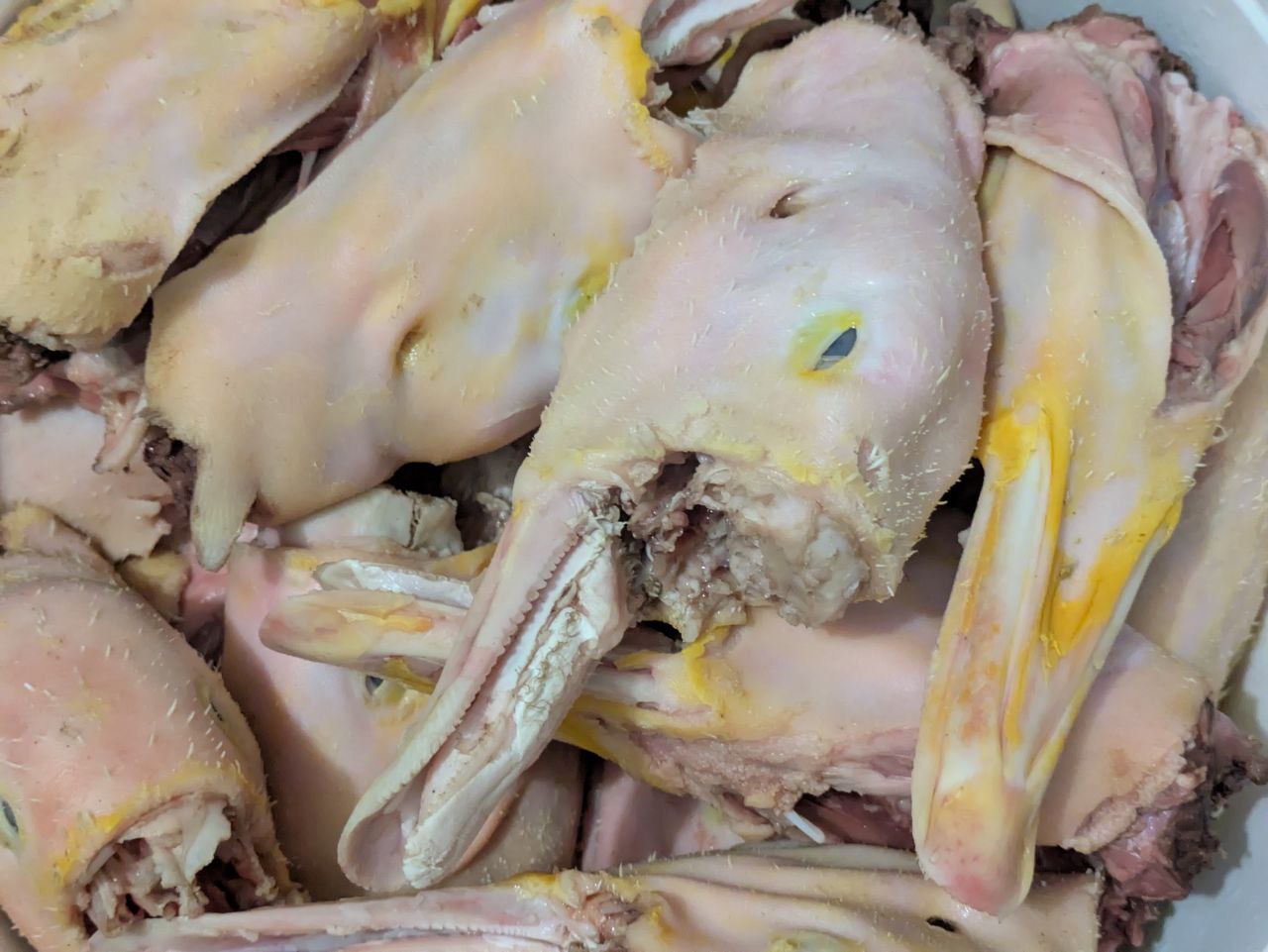
My day started early because I was woken up at 6:40 AM, since yesterday we had planned to go to our relatives. They invited us and other relatives to help with their twenty angry geese. Finishing all those geese in one day was not easy because there were quite a lot. Also, those geese were very angry. Once, when I visited my relatives before, those geese tried to catch me and attack me for no reason. Fortunately, they couldn’t catch me, and I managed to escape. Since then, I’ve always kept my distance from them, but today I just watched as one of the geese was boiled and eaten. A few words about what “kaz ömäse” is: It happens in the autumn. It’s a work party, and the main purpose is butchering geese.
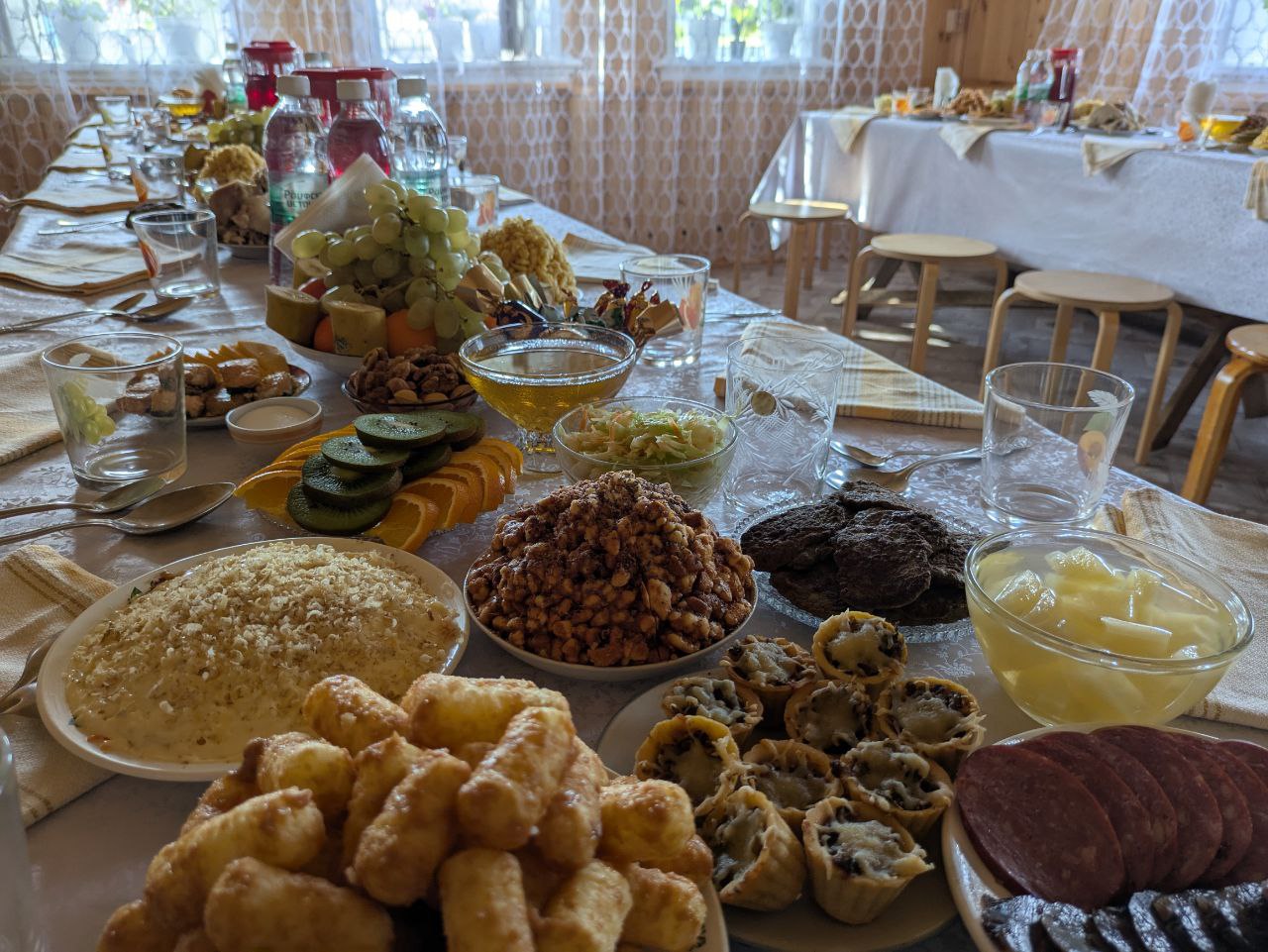
Hey, yesterday I promised to tell you why we invited so many guests. I’ll try to explain it shortly. One year ago, my grandmother passed away, and today was the anniversary of that day. In Muslim tradition, after someone passes away, the family gathers on the 3rd, 7th, and 40th days, and again after one year. That’s why we invited our close relatives, neighbors, and friends.